Bhut Chaturdoshi and Choddo Shak – Bengali 14 Greens Ritual

Green Gaga
Tomorrow is Kali Puja. On this day the Mother, the Goddess of Strength (Shakti), the universal principle of energy and creativity is worshipped. This is also the famous Festival of Lights – Diwali.
During this time the markets of Kolkata display not only firecrackers but also wicker baskets filled with various green herbs. It is a rare opportunity to find many traditional edible greens that are otherwise difficult to obtain.
According to our forefathers, this is the time at the end of the monsoon when people should begin eating medicinal herbs. These traditions were passed down through proverbs and slokas to teach people healthy living.
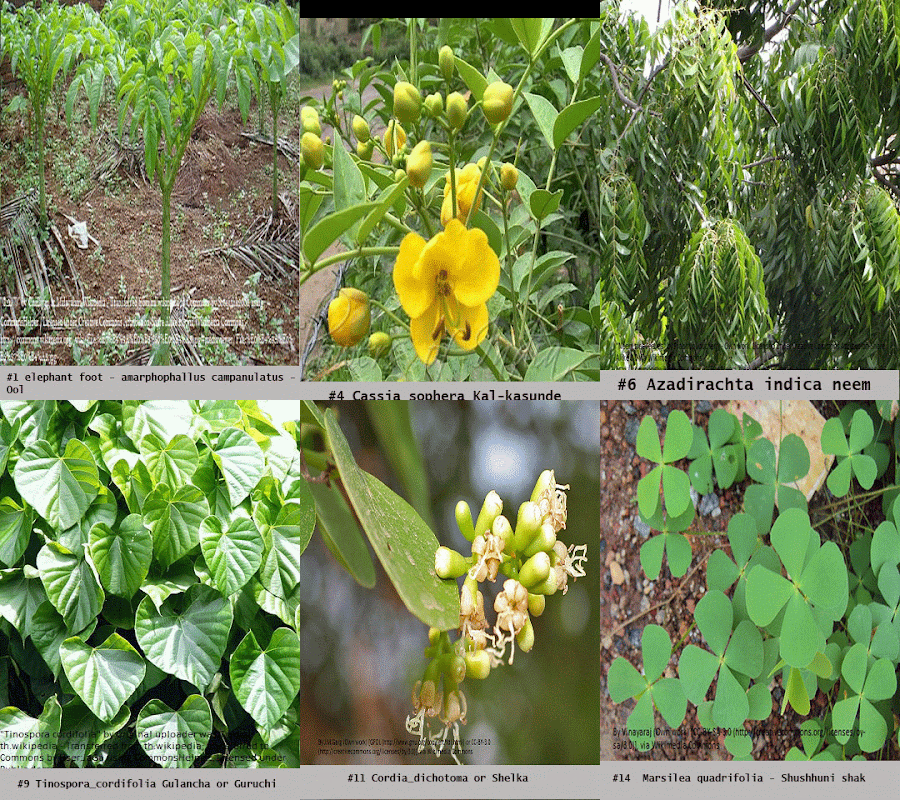
The belief comes from references in the ancient Ayurvedic text Charaka Samhita. It suggests that consuming medicinal herbs during seasonal change helps strengthen the body against diseases.
During the post-monsoon and early winter season people are more vulnerable to illness, so consuming these greens helps maintain balance and immunity.
The ritual of eating fourteen herbs ensured that these valuable plants would continue to be cultivated and remembered by future generations.
You might also like: Notey shak from Pak-rajeswar
Choddo Shak Recipe
Ingredients
- Mixed edible herbs – 2 cups
- White radish – 1/2 cup, julienned
- Brinjal – 1/2 cup, diced
- Kalo jeera (onion seeds) – 2 tsp
- Whole red chili – 5 to 6
- Green chili – 2 tsp, minced
- Masoor dal bori – 1 tbsp
- Salt and sugar to taste
- Mustard oil – 2 tbsp
Directions
- Wash and clean the herbs thoroughly. Blanch and drain the water.
- Cut the vegetables into small pieces.
- Heat oil in a pan and fry the lentil dumplings. Remove and keep aside.
- In the remaining oil fry red chilies. Add onion seeds and minced green chili.
- Add herbs and vegetables with salt and sugar. Cover and cook for 5–6 minutes.
- Mix in the fried dumplings and serve hot.
This traditional Bengali dish tastes excellent with hot rice, fried red chili, and mustard mango sauce (Kasundi).

६२ चरकसंहिता [अ० ६ वर्षा-शीतोधिताङ्गानां सहसैवार्करश्मिभिः ।
तप्तानामाचितं पित्तं प्रायः शरदि कुप्यति ।। ४१-४५ ॥62 Charaka Samhita [A.6] The rain-cold limbs were suddenly covered with the rays of the sun. In autumn the bile collected by those who are hot often becomes angry. (41–45)
॥ ४१ ॥ तन्त्रान्नपानं मधुरं लघु शीतं सतिक्तकम् । पित्त-प्रशमनं सेव्यं मात्रया सुप्रकाङ्क्षितैः ।
41 ॥ The food and drink of the tantra is sweet, light, cold and bitter. It should be taken in moderation for the relief of bile by those well-wishing.
॥ ४२ ॥ लावान् कपिञ्जलान् हरिणानुरभ्राष्छरभाञ्छशान् । शालीन् सयवगोधूमान् सेव्यानाहुर्घनात्यये
42 ॥ They also saw the young monkeys, the deer, the clouds, the moon and the stars. It is said that rice, barley and wheat should be served at the end of the clouds.
।। ४३ ।। तिक्तस्य सर्पिषः पानं विरेको रक्तमोक्षणम् । धाराधररात्यये कार्यमातपस्य च वर्जनम्
43 ॥ Drinking bitter mustard seeds causes diarrhea and blood relief. At the end of the month of Dhārādhara one should avoid austerities.
॥ ४४ ॥ वसां तैलमवश्यायमौदकानूपमामिषम् । क्षारं दधि दिवास्वप्नं प्राग्वातं चात्र वर्जयेत्
44 ॥ Fat, oil, subdued water, meat, etc. Salt, yogurt, daydreams and premature wind should be avoided here.
॥ ४५ ॥ का मांस, ठार, दही दिन मे साना नामने ने आती हुई वा पुरवा वायु का त्याग करना चाहिये ।
45 ॥ Meat, thaar, and yogurt should be abandoned during the day, as well as the east wind coming from the horizon.
— Charaka Samhita
